Wawa Countertop Installation by Onofrio's Top Shop
Picking the Ideal Countertop: Materials, Styles, and Maintenance Tips
Picking the ideal countertop entails thoughtful consideration of multiple materials, styles, and maintenance needs. Each alternative, from granite to quartz and wood, offers distinct advantages and challenges. Homeowners commonly wrestle with how these choices affect the general aesthetic and functionality of their spaces. Understanding these elements is vital for making an informed determination. Still, the question remains: how can one effectively balance beauty and practicality in such an important home feature?
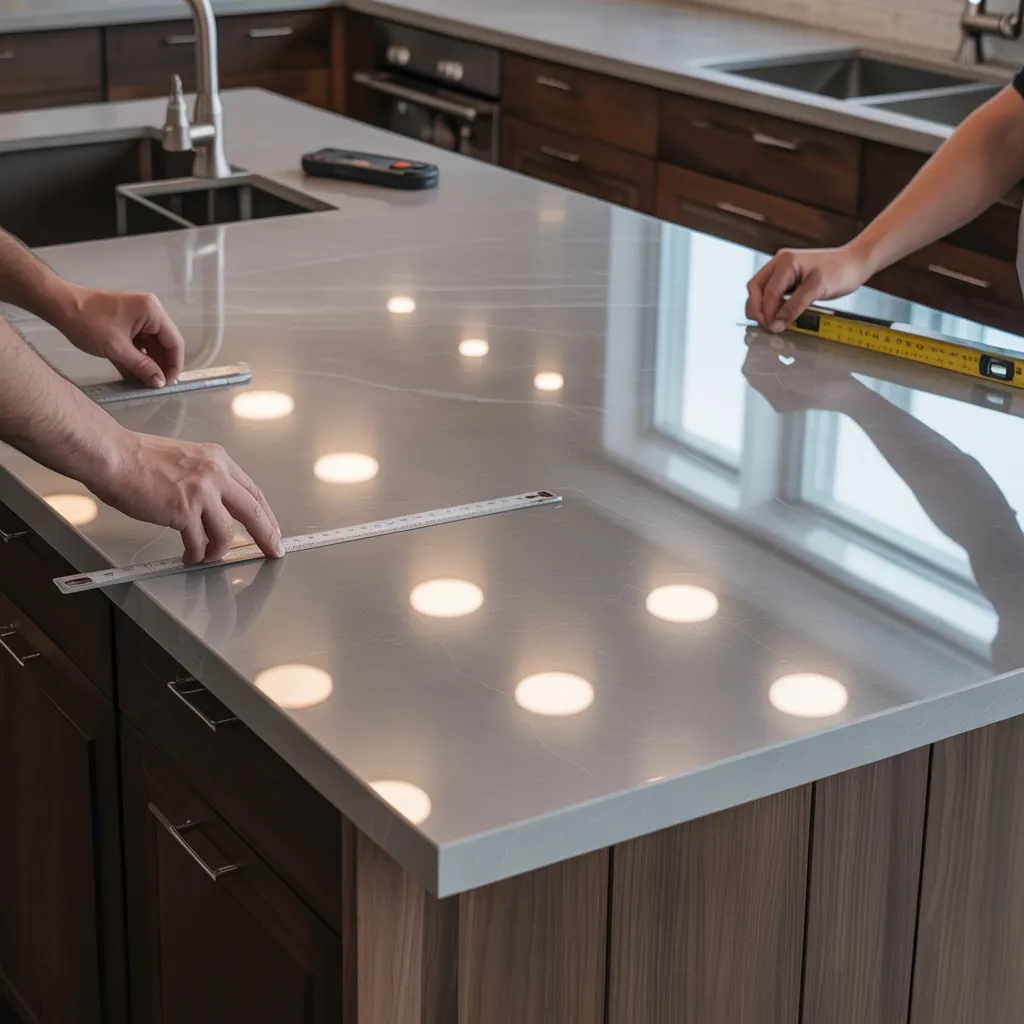
Getting to Know Various Countertop Products
Countertops serve as functional as well as aesthetic components in bathroom and kitchen spaces, making the selection of materials vital. Multiple material options provide unique properties, impacting durability, maintenance, and design. Popular options include granite, known for its organic appeal and durability; quartz, a manufactured material that combines beauty with minimal upkeep; and laminate, offering affordability and versatility in design.
Moreover, wood countertops offer warmth and a rustic charm, though they demand regular upkeep to prevent damage. Concrete is gaining popularity for its sleek, industrial style and customization potential. Lastly, marble, renowned for its elegance and unique veining, demands a high level of care due to its porous nature. Each material presents its own benefits and considerations, making understanding these options important for homeowners wanting to upgrade their spaces effectively.
Comparing Popular Countertop Materials: Pros and Cons
When comparing countertop materials, granite and quartz often appear as leading contenders because of their long-lasting qualities and visual appeal. Understanding the cost implications and the longevity of each material can greatly influence decision-making for homeowners. Analyzing these factors helps in making an informed choice suited to individual needs and budgets.
Granite Versus Quartz: Durability Comparison
Though both granite and quartz are common choices for countertops, their durability varies substantially based on material composition and maintenance. Granite, a natural stone, is very resistant to heat and scratches, however it can be porous, requiring regular sealing to avoid staining. Its unique patterns add aesthetic value, but it is also subject to chipping if mishandled.
Conversely, quartz is produced from natural stone and resin, making it non-porous and impervious to stains without needing sealing. It provides steady patterns and colors, suiting modern design preferences. That said, quartz is prone to heat damage should it be exposed to high temperatures. In the end, both materials can perform admirably in a kitchen, but their durability depends on proper care and usage.
Comparing Costs of Materials
Price factors are essential in picking comprehensive resource between countertop materials, especially when comparing granite and quartz. Granite usually costs between $40 to $100 per square foot, contingent upon quality and origin. Its natural beauty and uniqueness often warrant the higher price for many homeowners. Conversely, quartz, an engineered material, generally prices between $50 and $150 per square foot. The price variation reflects quality, aesthetics, and size. While granite requires periodic sealing to copyright its appearance, quartz is more resistant to stains and scratches, likely decreasing long-term maintenance costs. In the end, the decision may copyright on budget constraints and personal preference, as both materials deliver distinct advantages and aesthetic appeal. Understanding these costs is critical for well-informed decisions.
Choosing the Right Countertop for Your Space?
Picking the right countertop requires evaluating different materials that suit both practicality and aesthetics. Homeowners should also think about their personal style preferences and how these choices complement the complete design of their space. Additionally, understanding maintenance and care requirements can substantially influence the decision-making process for a countertop that meets practical needs.
Available Countertop Materials
When reviewing countertop options, homeowners can find themselves overwhelmed by the selection of materials available, each offering specific advantages and aesthetic appeal. Common choices include granite, recognized for its durability and natural beauty, and quartz, which provides a non-porous surface that resists stains. Laminate, an economical option, offers versatility in design but may lack longevity compared to stone. Marble stands out for its elegance but requires more maintenance due to its susceptibility to scratching and staining. Furthermore, concrete provides a contemporary, customizable look, while solid surface materials are easily repaired and seamless. Each material presents specific characteristics that cater to different lifestyles and preferences, making it essential for homeowners to carefully evaluate their needs before making a decision.
Styling and Aesthetic Decisions
Although a countertop's practicality is vital, its aesthetic and style selections substantially affect the general visual appeal and atmosphere of a space. Homeowners frequently consider the prevailing design theme, whether it be modern, rustic, or traditional, when choosing a countertop. Color plays a crucial role; lighter hues can create an spacious, airy atmosphere, while darker shades add depth and sophistication. Texture also contributes considerably; smooth surfaces may evoke a refined, contemporary feel, whereas textured finishes can introduce warmth and character. Patterns, such as veining in marble or speckling in granite, can serve as focal points or complement existing design. In the end, the picked countertop should harmonize with cabinetry, flooring, and other design elements to create a cohesive and inviting environment.
Maintenance Guidelines and Care Tips
After considering the style and design options that a countertop can add to a space, maintenance and care become key factors in guaranteeing its longevity and appearance. Different materials demands unique care approaches; for instance, granite surfaces thrive with regular sealing to stop stains, while laminate countertops should be cleaned with soft, non-abrasive cleaners to prevent scratching. Wood countertops may necessitate periodic oiling to keep their luster and prevent drying. Moreover, routine cleaning with mild soap and water can help preserve hygiene and stop buildup. Homeowners should also avoid placing hot items directly on countertops, as this can cause damage. By implementing these tailored maintenance recommendations, property owners can keep their countertops looking immaculate for years to come.
How to Match Countertops to Your Kitchen or Bathroom Style
Coordinating countertops with the complete aesthetic of a kitchen or bathroom demands thoughtful evaluation of hues, materials, and design components. Residents must begin by recognizing the dominant aesthetic of their room—whether modern, conventional, or farmhouse—as this will guide their choices. As an illustration, a current-style kitchen might profit from streamlined quartz or buffed granite, whereas a rustic bathroom might be accented by rich wood or matte stone.
Color serves a crucial function; countertops should complement cabinetry and wall tones. Neutral tones frequently deliver versatility, allowing for seasonal decor changes. Contrasting colors can create a striking focal point, specifically in minimalist designs.
The choice of materials holds equal importance, as it influences both aesthetics and functionality. For example, durable surfaces are necessary in high-traffic areas, while luxurious finishes may be more fitting for spaces that highlight style. Ultimately, a cohesive approach will strengthen the overall design and functionality of the room.
Key Care Recommendations for Lasting Countertops
To guarantee countertops maintain prime condition over the years, homeowners should adopt a regular maintenance routine specific to the particular material. For granite and quartz, frequent cleaning with gentle soap and water is vital to stop staining. Homeowners should also add a sealant yearly to guard against moisture and spills. For laminate surfaces, using a soft cloth and non-abrasive cleaner will help maintain their appearance without producing scratches.
Wooden countertops need periodic oiling to stop drying and cracking, while also making sure they remain dry to prevent warping. Marble surfaces require gentle cleaning and the application of a specially formulated marble cleaner to minimize etching. Lastly, homeowners should never placing hot items directly on any countertop to prevent damage. By adhering to these upkeep recommendations, homeowners can extend the beauty and longevity of their countertops, making sure they stay a stunning feature in their homes for years to come.
Budgeting for Your Countertop Project
Setting up a budget for a countertop project is vital for homeowners seeking to balance visual appeal and functionality while preventing unexpected costs. Initially, it is essential to determine the total budget available, including materials, installation, and potential maintenance expenses. Homeowners should investigate various countertop materials, as prices can vary significantly. For example, laminate tends to be more affordable compared to natural stone or quartz.
Additionally, it is advisable to evaluate the size and layout of the kitchen or bathroom, as more extensive surfaces will require more material, elevating costs. Labor costs for installation can also differ based on intricacy and regional pricing. Homeowners should designate a portion of the budget for unexpected expenses, typically around 10-20%. By clearly outlining these considerations, homeowners can make well-informed decisions that correspond to their financial plans while guaranteeing their countertop choice meets both functional needs and aesthetic desires.
Recent Advances in Worktop Materials and Designs
Armed with a well-defined budget, homeowners can investigate the latest trends in countertop materials and designs that enhance both style and functionality. One prominent trend is the emergence of sustainable materials, such as recycled glass and bamboo, which resonate with environmentally conscious individuals. Additionally, quartz maintains its growing popularity because of its durability and variety of colors and patterns, making it a versatile choice for modern kitchens.
With respect to design, minimalist aesthetics are gaining popularity, with clean lines and subtle textures providing a sleek appearance. Moreover, the use of bold, dark colors is becoming more popular, creating dramatic contrasts against lighter cabinetry.
Smart technology's integration into countertops is also developing, with features like built-in charging stations and touch-activated surfaces enhancing usability. On the whole, these trends represent a growing emphasis on both practicality and style, permitting homeowners to create practical and inviting spaces.
FAQ
Can I Do My Own Countertop Installation, or Should I Use a Professional?
Countertop installation can be a demanding project, demanding accuracy and expertise. While some individuals may successfully tackle this job on their own, engaging an expert ensures appropriate setup, minimizing the risk of mistakes and costly repairs.
What Are the Top Countertop Choices for Compact Spaces?
For limited spaces, quartz, butcher block, and laminate countertops are perfect owing to their sleek designs and versatility. Such materials optimize functionality while delivering attractive designs, guaranteeing they accent rather than overpower limited areas.
How Can I Fix Scratches on My Countertop?
To fix countertop scratches, begin by sanitizing the spot, then use a matching filler or epoxy for deep scratches. Lightly sand after it dries, and use a polish to blend seamlessly and restore shine.
Do Eco-Friendly Countertop Materials Exist?
Absolutely, green countertop materials are obtainable, including bamboo, recycled glass, and reclaimed wood. These choices not only reduce environmental impact but also provide one-of-a-kind aesthetics and durability, appealing to environmentally conscious consumers searching for sustainable alternatives.
What Can I Do to Prevent Heat Damage on My Countertops?
To avoid heat damage to countertops, always use hot pads or trivets under hot cookware, don't put hot items directly on countertops, and consider materials that resist heat for added protection.